
When we think of farmed animals, chickens, pigs, and cows often come to mind. But every year, millions of pheasants and partridges are also intensively farmed, only to be released for the shooting season, which runs from October to February in the UK.
These birds are the forgotten farm animals, and the cruelty they suffer in the name of “sport” is just one of many problems caused by the so-called “game” industry.
On 4th September, the Government launched a call for evidence on gamebird rearing, release and shooting in England, seeking information about their impacts on animal welfare, wildlife, biodiversity, protected habitats and the environment. The review will also examine how gamebirds are bred and kept before release, as they are not covered by the same animal welfare rules as poultry farmed for food. The evidence gathered will help inform future policy decisions, but no changes have been agreed at this stage. Read the Government’s call for evidence.
Every year, between 40 and 60 million pheasants and red-legged partridges are released into the wild – not as part of any natural ecosystem, but purely so they can be shot for entertainment. The scale is so vast that by late summer, their combined weight actually exceeds that of all other wild birds in Britain. In England alone, one in twelve woodlands now contains a pheasant release pen, underlining how deeply this industry has altered the countryside.
These birds, bred in factory-farm-like conditions, endure suffering from the moment they are born until their eventual death – either through violent shootings or from other threats like disease, road collisions, or starvation. In fact, two-thirds of released birds never make it to a shooting event, dying prematurely in the countryside.
Because shooting often occurs behind closed doors on private estates, many people remain unaware of the associated cruelty. The only signs may be the distant sound of gunfire or the sight of pheasants struck by vehicles, lying lifeless by the roadside.
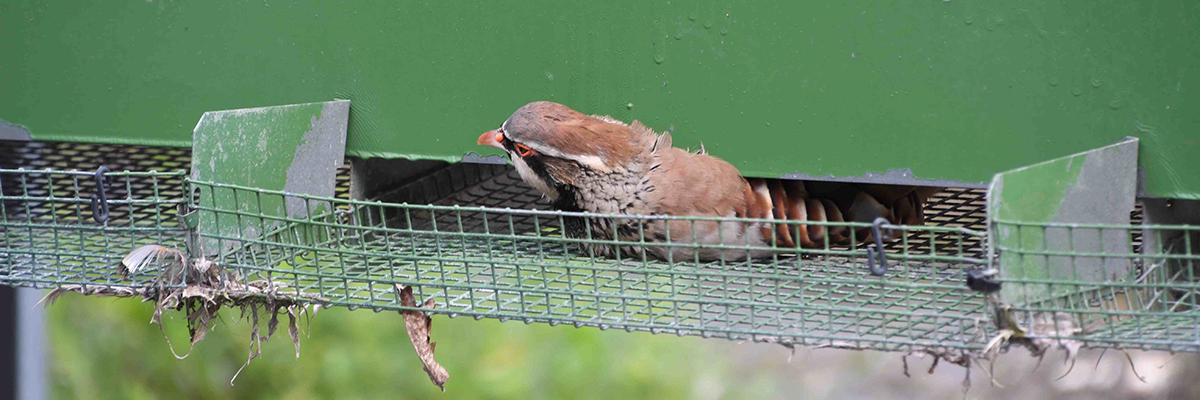
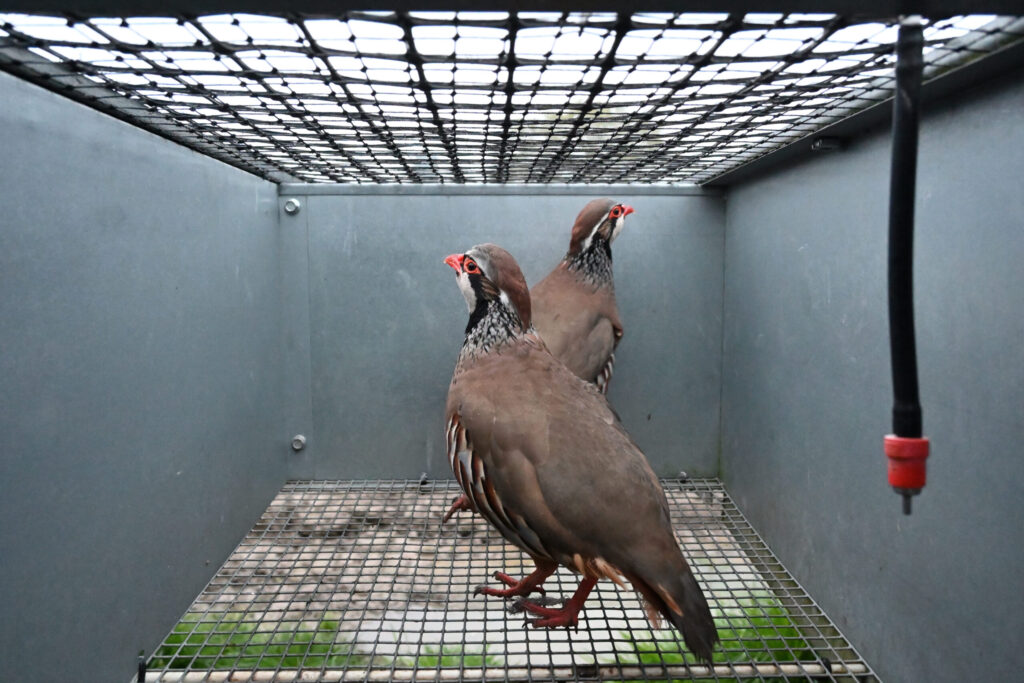
The factory farming conditions for game birds are deeply troubling. Birds are kept in cramped wire-mesh cages, often smaller than the size of an A4 piece of paper, and their living conditions are worse than those permitted for food-producing poultry. Undercover investigations have revealed egg-laying birds kept in these cages for their entire productive lives, suffering from stress, feather loss, and head wounds.
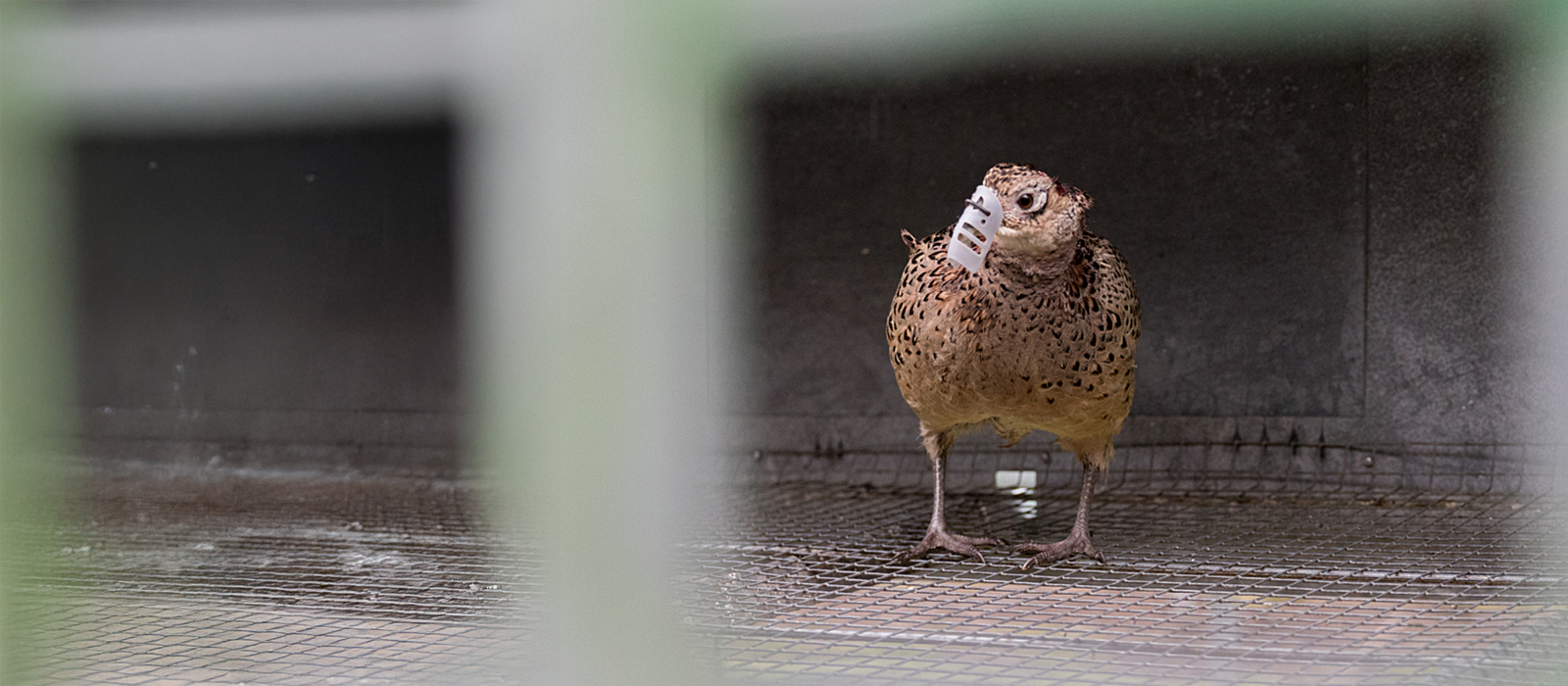
Many are forced to wear cruel devices like “bits,” which prevent them from closing their beaks fully. This is intended to reduce injuries caused by aggression in overcrowded pens, but it leaves the birds unable to eat or preen normally.
This treatment not only violates the animals’ basic rights but also exposes a significant legal loophole. Unlike chickens raised for food, these birds are exempt from welfare laws on the basis that they are destined for “sport,” rather than consumption. Despite often enduring worse conditions than food poultry, they receive none of the legal protections afforded to other farmed animals.
The environmental impact of the game bird industry is equally disturbing. Each year, millions of non-native birds are released into the countryside, where they compete with local wildlife for resources, disrupt ecosystems, and reduce biodiversity.
Beyond this, the industry leaves behind a toxic legacy. Shooting estates discharge over 7,000 tonnes of lead shot annually into the land and waterways. Wild birds often mistake these pellets for grit, leading to the poisoning of up to 400,000 wildfowl each winter, with several million more likely affected. Studies have also found dangerous levels of lead accumulating in plants, posing risks not only to wildlife but also to people.
The practice of burning moorland to encourage heather growth for grouse shooting continues to pollute rivers, release carbon, and increase flood risks in surrounding areas. Together, these impacts undermine conservation efforts and accelerate the climate and biodiversity crises.
Gamekeepers, employed to protect birds bred for shooting, often target predators they see as a threat. Foxes, stoats, weasels, and even legally protected birds of prey are routinely killed through trapping, poisoning, or shooting.
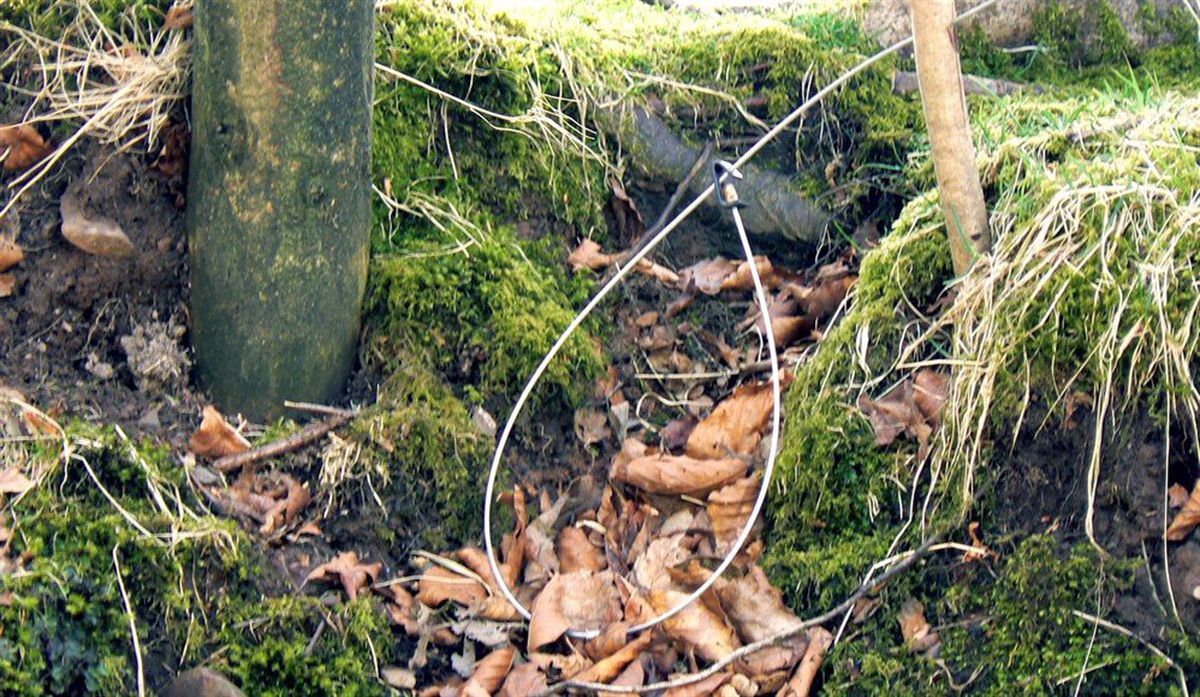
The use of snares – wire traps that cause slow, agonising deaths – is still legal in the UK despite being banned across much of Europe. Countless non-target animals, including badgers, hares, and even dogs and cats, fall victim to them.
Released pheasants themselves can also directly harm native species. They have been linked to the decline of adders, which they prey upon, and their vast numbers deplete native plant life and outcompete wild birds for food.
The mass release of game birds also poses a serious biosecurity threat. DEFRA’s 2022 risk assessment concluded that released pheasants and partridges carry a high to very high risk of spreading avian influenza to wild species including waterfowl, raptors, gulls, and songbirds.
The UK’s most serious outbreak of bird flu last year was traced back to a group of pheasants, yet regulation around game farming and release remains extremely lax.
Game bird shooting estates are repeatedly linked to illegal raptor persecution. From poisoning to trapping and shooting, birds of prey including buzzards, red kites, hen harriers, and even white-tailed eagles have been killed to protect game birds.
The RSPB reports that two-thirds of recorded bird crimes in 2021 occurred on land managed for game shooting. Scientific studies reveal that up to three-quarters of Hen Harrier deaths are linked to persecution associated with this industry. Between 2009 and 2023, 75% of all convictions for raptor persecution were connected to game bird shooting.
These shocking figures expose the lengths to which the industry will go to maintain artificially high numbers of birds for sport.
Proponents of the game bird industry often defend it by citing its supposed economic benefits, claiming it generates billions of pounds and supports rural jobs. However, these figures are frequently inflated, often including activities such as clay pigeon shooting which involve no live animals.
While large estates receive millions in public subsidies, many of the industry’s workers, such as beaters, are paid below minimum wage. Meanwhile, the environmental damage, biodiversity loss, and animal suffering caused by shooting far outweigh any supposed economic benefits.
From the cruelty inflicted on game birds, to the environmental destruction, wildlife persecution, and public health risks it creates, game bird shooting is an unacceptable practice. The romanticised image of a traditional country pastime, where birds are humanely killed and eaten, could not be further from the truth.
In reality, it is a form of canned hunting: millions of animals are bred, released, and killed for sheer entertainment, many left wounded to suffer slow, painful deaths. The environmental costs — from toxic lead pollution to biodiversity loss — are profound, and experts warn that unless action is taken, the consequences could be irreversible.
It is high time for government action. Measures such as banning breeding cages, ending the use of snares, and phasing out the release of non-native birds would be significant steps forward. The public must also be made aware of the industry’s exaggerated claims, which obscure the true cost of shooting — in animal lives, environmental damage, and taxpayer subsidies.
Only by exposing the truth can we hope to bring about meaningful change and create a future where animals and the countryside are no longer sacrificed for “sport.”
Use the search tool on www.writetothem.com to find contact details for your local MP, and write to them to express express your concerns on the ‘game’ bird shooting industry.
There are a couple of petitions you can sign to call on the UK government to ban the production, release, and shooting of game birds.
Share this blog post on social media to raise awareness about this cruel practice.
Sources: